The Wild Cirques of Deep Ariège
Ariège immediately asserts itself as the most rugged and authentic stretch of the entire Pyrenean chain. I feel the mineral silence of these glacial cirques from the very first night at a high bivouac, far from everything, lulled by the murmur of invisible torrents in the deepening darkness. Here, the mountain has not been domesticated: trails remain unpredictable, often scratched directly into the steep slope between unstable scree fields and gispet grass with blade-sharp stalks.
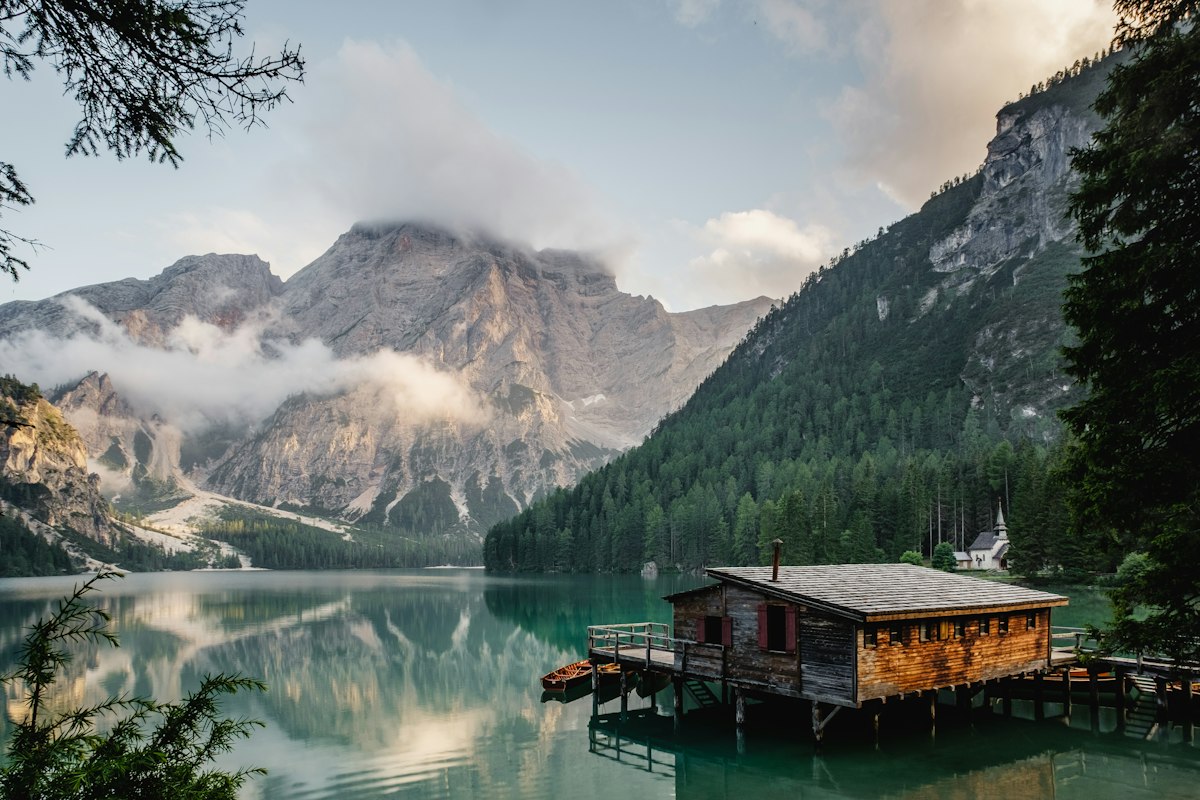
Water is omnipresent throughout this Ariège landscape, roaring at the bottom of secret gorges or sleeping in vast lake cirques of a troubling emerald green. The unique color of these Pyrenean lakes — somewhere between jade and turquoise — more than compensates for the effort of impossible ascents. On the high summer pastures, Mérens horses, rustic and black, graze in total freedom, indifferent to the passage of the lone hiker.
This territory belongs to the initiated — those who prefer profound silences over hiking highways and who accept confronting a mountain environment that remains genuinely wild.
"In Ariège, the mountain only reveals itself to walkers who accept to bend their backs before touching the stars."
The Loop of the Suspended Lakes Step by Step
The loop launches from the thermal village of Aulus-les-Bains for a first day that climbs without hesitation toward the majestic Cascade d'Ars, one of the tallest in France, before reaching the Étang de Guzet in its glacial cirque. The second day crosses the formidable Col de Certascan to spill over into Spanish territory and reach the Refuge de Certascan, a jewel of solitude perched above an extraordinary high-altitude lake.
The third day represents the adventure's pinnacle with the long, airy border ridge leading to the Refuge du Pinet, suspended face to face with the Pique d'Estats. The fourth day leaves open the optional ascent of this 3143-meter summit — the true rooftop of Ariège — before descending toward the wild spaces of the Étang Sourd. The fifth and final day closes the loop via the Port de Saleix, a quiet and magnificent pass, before the long final descent toward the vaporous thermal springs of Aulus-les-Bains.
Advice for the Explorer of Wild Lands
This expedition, classified as very difficult, demands rigorous physical and technical preparation. The ideal period runs from July to early October, when the border passes are entirely free from snow. The critical equipment absolutely includes a dedicated hiking GPS with pre-loaded topographic maps, high-top boots with deep lugs to grip vertiginous wet grass slopes, and a minimum 3-liter hydration capacity.
The bivouac regulations are flexible on high summer pastures away from inhabited zones, but always check with local shepherds before setting up camp. The Ariège climate is notorious for violent thunderstorms and sudden thermal inversions: permanent weather vigilance is essential. Resupply options are limited in the high mountains — calculate your rations carefully and take advantage of the small grocery at the Refuge de Certascan to restock mid-route.