In the mountains, outside help can take hours to arrive — when it's even possible at all. This reality demands a minimum of medical self-sufficiency from hikers: knowing how to treat common incidents on the spot, and recognising which ones demand immediate evacuation. A first-aid kit only has value if its contents are genuinely understood.
The Essentials, Nothing Superfluous
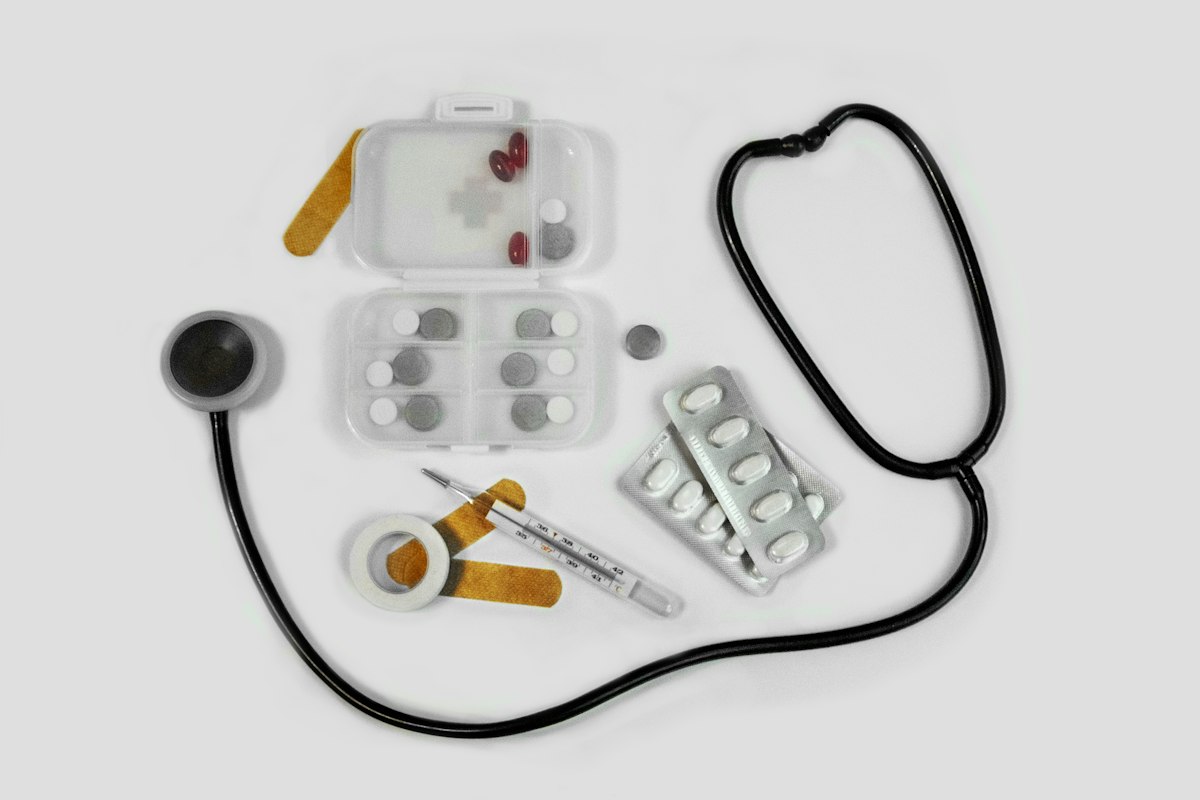
An effective kit fits in a small volume: assorted plasters, sterile gauze, an elastic support bandage, disinfectant, splinter tweezers, a survival blanket, and a few painkillers. Always add any personal medication you rely on (allergies, asthma) in sufficient quantity for the trek's duration, plus a safety margin.
Blisters remain the most common trail incident — rarely serious, but capable of derailing an entire expedition if poorly handled. At the first sign of friction — before a blister even forms — apply an anti-friction dressing. Once formed, never puncture an intact blister: disinfect it and protect it with a dedicated dressing that will absorb the pressure.
"The best first-aid kit is the one you never needed, because you knew how to prevent rather than cure."
Recognising Situations Beyond Self-Treatment
A moderate ankle sprain can often be stabilised with a support bandage and trekking poles to finish the outing at a reduced pace. Chest pain, mental confusion at altitude (a possible sign of severe acute mountain sickness), or a deep wound that won't stop bleeding, however, demand immediate evacuation — in these cases, every minute of delay worsens the outcome.
Before heading into any remote area, share your precise route with someone close to you, and check network coverage or carry a satellite communication device. The best first-aid kit never replaces a well-thought-out emergency plan made beforehand.
Adapting the Kit to the Destination
A standard kit isn't enough for every situation: a high-altitude trek justifies adding tablets for acute mountain sickness, while a summer hike through dense forest calls for tick tweezers and a suitable repellent — Lyme disease remains a very real threat, and one too often underestimated. An outing in a remote area with no mobile signal is worth adding adhesive skin closures, able to temporarily close a deep wound while awaiting medical care.
The trek's duration matters just as much as its destination: beyond a few days, plan for a quantity of dressings and gauze well above your initial estimate — minor injuries statistically pile up with every additional day of walking.
Training, Just as Essential as the Gear
Owning a complete kit is useless if its contents remain misunderstood at the critical moment. First-aid training, generally available in a single day through local associations, teaches the gestures that genuinely save lives — compressing a haemorrhage, positioning an unconscious but breathing victim, recognising the early warning signs of hypothermia.
"Rescue gear never replaces the skill of the person using it."
Renew this training every two to three years: recommendations evolve, and gestures learned without regular practice are forgotten faster than you'd think under the stress of a real situation.
Checking and Renewing the Contents Regularly
A first-aid kit is never a one-time purchase: dressings lose their adhesion over time and with humidity, medication passes its expiry date, and sterile gauze loses its sterility once the packaging has been opened and resealed. Get into the habit of checking your kit's contents at least once a season, systematically replacing anything used or expired.
Also store your kit in a rigid, crush-resistant container rather than a simple soft pouch — a tablet crushed at the bottom of the bag or a damaged suture strip no longer does the job when it's needed most.