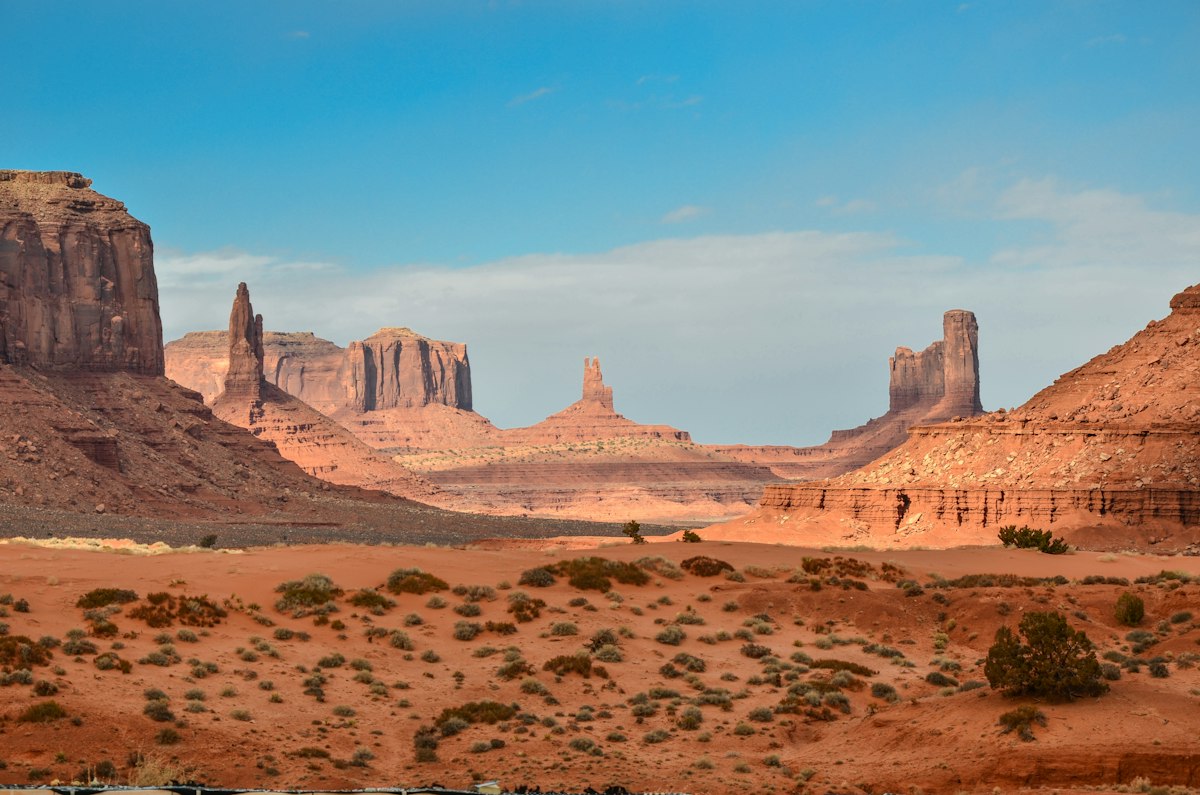
Altitude offers no automatic protection against heat: the air may be cooler up there, but direct solar radiation, intensified by glare off pale rock and the lack of shade over long stretches of trail, exposes hikers to a risk of heatstroke that's often underestimated above 2,000 metres.
Recognising the Signs Before They Worsen
Excessive sweating followed by a sudden stop in perspiration is the most alarming signal: it indicates the body has exceeded its capacity for thermoregulation and is tipping into heatstroke, a genuine medical emergency. Headaches, dizziness or mild confusion warrant an immediate stop in the shade, well before reaching that critical stage.
Urine that darkens over the course of the day signals dehydration already setting in — it should stay clear to pale yellow throughout the hike, a simple thing to check at every break.
Adapting Your Pace and Route to the Heat
Setting off at first light, between 5am and 7am depending on the season, lets you cover most of the elevation gain before heat peaks between noon and 4pm. That same window is better suited to a long break in the shade than to progress — exposed ridges and plateaus with no plant cover are best crossed early morning or late afternoon.
"In a heatwave, the summit doesn't wait. You're the one who has to learn to wait for the coolest hour to reach it."
Hydration, a Matter of Method as Much as Quantity
Drinking plenty isn't enough if water alone dilutes the electrolytes already lost to excessive sweating. Systematically add a pinch of salt or electrolyte tablets to your bottle on hot-weather outings, particularly beyond three hours of continuous effort — a sudden muscle cramp is often the first sign of an electrolyte imbalance more than of simple lack of water.
Always plan for more water than your initial estimate: an extra litre for every five degrees above 25°C is a reasonable margin, given that a source you thought reliable can turn out dry in the middle of a summer heatwave.
Adapting What You Eat to the Heat
Appetite naturally decreases in intense heat, even as effort continues consuming significant energy reserves. Favour light, frequent food over one heavy midday meal — dried fruit, water-rich fresh fruit, or small regular portions digest more easily than a heavy meal that diverts blood flow toward digestion at the expense of muscular effort.
Clothing matters too: a light, long-sleeved layer in breathable technical fabric protects more from direct radiation than exposed skin, contrary to the common belief that undressing systematically cools you down. A wide-brimmed hat, covering the neck and ears, significantly reduces the head exposure responsible for a large share of heatstroke cases in the mountains.
Route Choice, a Decision in Its Own Right
A route usually walked in full sun deserves rethinking during a declared heatwave: favour shaded slopes, dense forests or steep-sided valleys over ridges and plateaus directly exposed to solar radiation all day. This simple change of route considerably reduces the risk, often far more effectively than merely adjusting your walking pace.
Never hesitate to cancel or postpone a long-planned outing if an exceptional heat peak is forecast — a summit will still be there next week, unlike a body that's suffered severe heatstroke.
The Often Overlooked Role of Acclimatisation
A body that hasn't yet had time to acclimatise to a recent heatwave remains far more vulnerable than one already used to high temperatures over several days. The first days of a heatwave statistically concentrate the highest number of heat-related incidents, precisely because the body's natural thermoregulation mechanisms haven't yet had time to adjust.
Systematically reduce the intensity and length of your outings during this adjustment phase, rather than keeping your usual pace out of habit or a refusal to give up a goal set before the heatwave arrived.