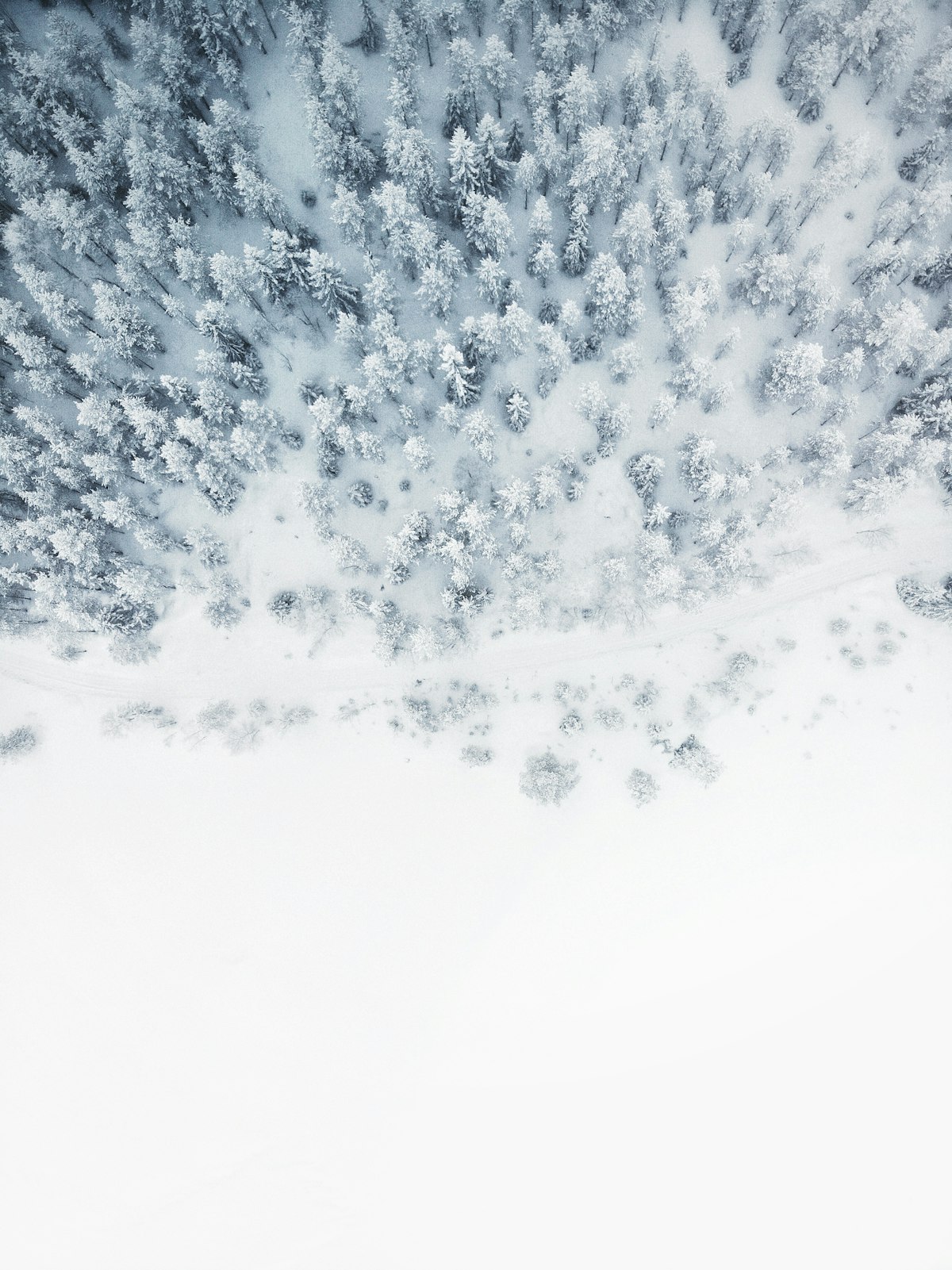
Winter hiking opens up a silent, luminous world, but it imposes one non-negotiable rule: a snow-covered mountain is no longer the same terrain you walked in summer. Avalanche risk turns every slope into a question you must be able to answer before setting foot on it — and that answer cannot be improvised.
Understanding the Risk Scale
In Europe, the avalanche risk scale runs from 1 (low) to 5 (very high), published daily by mountain weather services. A level-3 risk, often wrongly perceived as "moderate" and therefore acceptable, is in fact responsible for the majority of fatal accidents — because it still permits activity while concealing unstable slabs on certain aspects.
Slope angle is the determining factor: the vast majority of slab avalanches release on slopes between 30 and 45 degrees. Below 25 degrees, risk drops drastically. Learning to estimate a slope angle by eye, or with an inclinometer, should be part of every winter hiker's basic toolkit.
"The best avalanche detector remains the decision never to commit to a slope you have doubts about."
The Gear That Saves Lives
A transceiver, shovel and probe form an inseparable trio — owning one without the other two is useless. But equipment never replaces training: knowing how to quickly locate a buried victim, dig efficiently, and spot warning signs (whumpfs, cracks, recent slides) requires regular practice, ideally guided by a professional.
Terrain traps — narrow gullies, slope breaks, areas beneath cornices — amplify the consequences of even a modest release. Learning to identify and systematically avoid them remains, alongside reading the daily avalanche bulletin, the single most effective preventive habit there is.