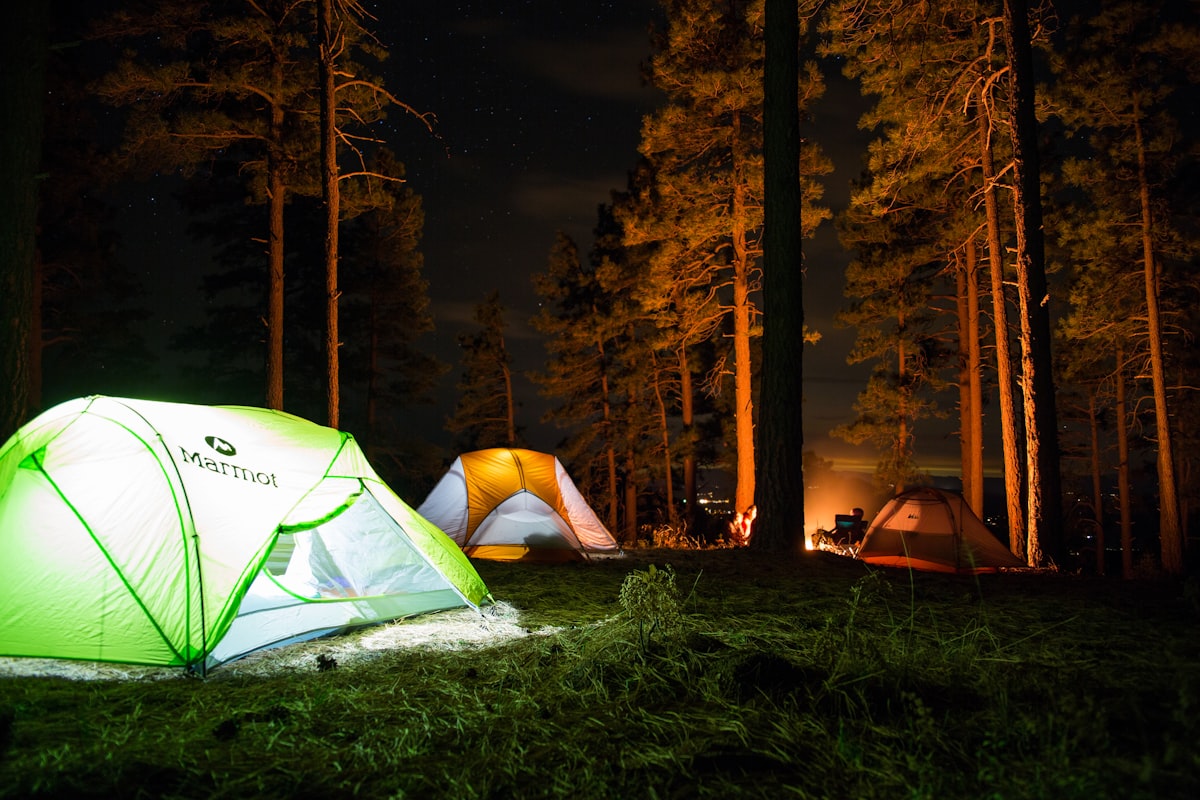
No tent ticks every box at once: lighter, it usually becomes less sturdy; roomier, it almost always weighs more. Understanding which criteria actually matter for how you hike keeps you from buying a compromise that doesn't suit you.
Weight, the First Trade-off to Settle
A classic two-person hiking tent typically weighs between 1.5 and 2.5kg, while ultralight models drop below a kilogram at the cost of reduced resistance to strong wind and less durable fabric. The rule of thumb is simple: the longer the outings and the greater the cumulative elevation gain, the more every gram saved on the tent matters over time.
Conversely, for short outings or treks where the load is shared between several people, favouring a sturdier structure and a more comfortable interior makes more sense than saving a few hundred grams.
Wind Resistance, Often Underestimated at Purchase
The number and layout of poles determine how well the tent can actually withstand gusts: a dome structure with crossed poles distributes tension better than a simple tunnel structure, particularly above the tree line where wind hits with no natural obstacle. Also check the flysheet's height above the ground — too generous a gap lets wind rush in and sets the whole structure shaking all night.
"A tent is never judged in the shop. It's judged at three in the morning, under wind that won't let up."
Waterproofing, a Criterion You Read in the Numbers
Hydrostatic head, measured in millimetres, gauges the fabric's resistance to water penetration: 1,500mm is enough for occasional use in mild weather, while 3,000mm or more becomes necessary for prolonged wet conditions or intensive mountain use. The tent floor deserves an even higher rating than the flysheet, since it bears the direct pressure of your body on potentially waterlogged ground.
Pitching, Something to Test Before the First Real Bivouac
A tent that pitches in five minutes in fine weather can become a nightmare in driving rain and wind, with fingers numbed by cold. Pitch your tent at home before the first outing, several times if needed, until the motion becomes almost automatic — it's precisely on the nights when conditions are worst that pitching speed matters most.
Weight Relative to Sleeping Capacity
Comparing two tents purely on total weight is often misleading: measured against actual sleeping capacity, a two-person model can prove more efficient per kilo than a solo model marketed as ultralight. Also check the actual interior dimensions rather than just the "two-person" label, which varies considerably between manufacturers — some "two-person" models barely fit one person with their gear.
The vestibule, that covered space between the door and the tent's interior, deserves particular attention: it lets you store shoes and pack sheltered from rain without cluttering the sleeping area, a detail that genuinely changes daily comfort on a multi-day trek.
Price, an Investment to Put in Perspective
An entry-level tent, fine for a few occasional outings a year, generally won't hold up to intensive use across several seasons: seams weaken, fabric waterproofing declines with washing and UV exposure, and poles lose their spring. Investing more in a mid-range or premium model, for those who hike regularly, usually pays off over time through a far lower replacement frequency.
Comparing cost per use rather than the initial purchase price often changes the decision: a tent twice as expensive but used twice as long ends up costing the same annually as an entry-level model replaced more often.
Taking the time to compare several models in store, actually pitching them rather than relying on spec sheets alone, remains the best way to avoid a purchase you regret on the very first rainy outing. The ideal tent doesn't exist in the abstract — only the one that best matches how you actually hike, your budget, and the terrain you frequent most often.